

A Chiropractor’s Perspective on Hormones and Health Restoration in Lake Forest
When most people think about testosterone, they think about muscle, sex drive, or aging.
But in my office, that’s not what I see.
I see men struggling with:
- low energy
- brain fog
- weight gain (especially around the midsection)
- poor sleep
- decreased motivation
- feeling like they’re not themselves anymore
And the most common thing I hear?
“I thought this was just normal.”
It’s not. Just because something is common does not mean it is normal.
At The Wellness Way – Lake Forest, we work with men every day who are trying to understand what’s going on in their bodies—and more often than not, hormones are part of the picture.
But here’s where we think differently:
We don’t ask, “How do we increase testosterone?”
We ask, “Why is testosterone low in the first place?”
What Does Testosterone Do in the Body?
Testosterone is not just about physical strength or libido. It plays a central role in overall health.
Testosterone influences:
- energy levels
- mental clarity and focus
- mood and emotional stability
- metabolism and fat storage
- muscle mass and recovery
- sleep quality
- bone density
So when testosterone levels are low, it doesn’t just affect one area—it can affect how your entire body functions.
This is why we don’t look at testosterone as an isolated number.
We look at it as part of a system.
At The Wellness Way, we often describe the body like a Swiss watch—everything is connected. If one piece is off, the whole system can be affected.
What Are the Signs of Low Testosterone in Men?
Many men don’t realize that what they’re experiencing could be related to low testosterone.
Here are some of the most common signs of low testosterone:
- persistent fatigue, even after adequate sleep
- decreased motivation or drive
- brain fog or difficulty concentrating
- increased body fat, especially in the abdomen
- loss of muscle mass despite exercise
- low libido
- erectile dysfunction
- mood changes, including irritability or low mood
- poor recovery after workouts
- trouble falling or staying asleep
If you’re reading this and recognizing yourself in several of these symptoms, it may be time to look deeper.
Because these are not just “normal signs of aging.”
They are signals.
What Is a Normal Testosterone Level for Men?
Most conventional lab ranges define normal total testosterone levels as approximately:
300 to 1000 ng/dL
But here’s the problem.
A man with a level of 320 ng/dL is considered “normal.”
A man with a level of 850 ng/dL is also considered “normal.”
Yet they will not feel the same.
At The Wellness Way- Lake Forest, we focus on optimal function—not just whether your numbers fall within a broad range.
We also look beyond total testosterone to understand the full picture, including:
- free testosterone
- sex hormone binding globulin (SHBG)
- estrogen levels
- cortisol patterns
- thyroid function
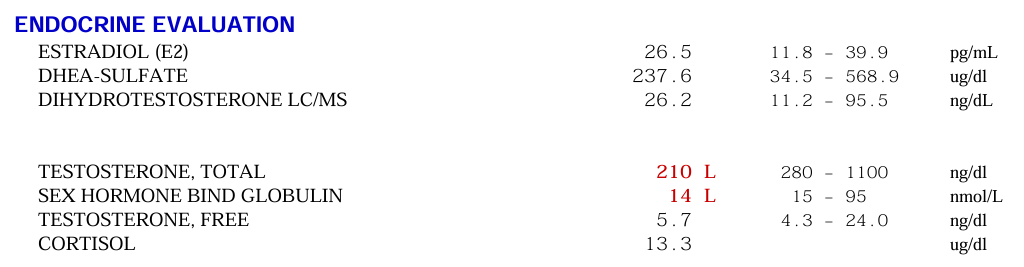
Because hormones do not work in isolation.
How Can You Increase Testosterone Naturally?
This is where most people want a quick answer.
But the truth is, there is no single “testosterone booster” that fixes everything.
Increasing testosterone is about supporting the systems in your body that regulate hormones.
This includes:
- supporting the nervous system (the master regulator of the body)
- addressing physical stress (trauma), chemical stress (toxins, food), and emotional stress (thoughts)
- improving sleep quality
- stabilizing blood sugar
- reducing chronic inflammation
- supporting gut health and digestion
When your body is functioning well, hormone production often improves as a result.
How Is Testosterone Made—and What Does Your Body Need to Produce It?
Instead of asking, “What foods boost testosterone?”
a better question is:
How does your body actually make testosterone?
Because once you understand that, nutrition starts to make a lot more sense.
Testosterone production is not random. It involves your brain, your testes, your liver, and your gut—all working together.
And that process depends on your body having the right building blocks:
1. Cholesterol and Healthy Fats
Testosterone is a steroid hormone, which means it is made from cholesterol.
For years, many people were told to avoid fats—but if your body does not have enough of these raw materials, hormone production can suffer.
This does not mean eating anything and everything. It means your body needs quality fats to function properly.
2. Zinc
Zinc is one of the most important minerals for testosterone production.
It plays a direct role in how testosterone is made and regulated, and it also supports immune function and helps manage inflammation.
If zinc levels are low, testosterone production can be impacted.
3. Magnesium
Magnesium is involved in hundreds of processes in the body, including sleep, recovery, and nervous system regulation.
And all of those tie back into hormones.
If you are not sleeping well or your body is constantly under stress, testosterone can take a hit—and magnesium plays a role in both.
4. Vitamin D
Vitamin D acts more like a hormone than a vitamin.
It plays a role in testosterone production, immune health, and inflammation levels.
And in the Midwest, especially during the winter, many people are deficient without even realizing it.
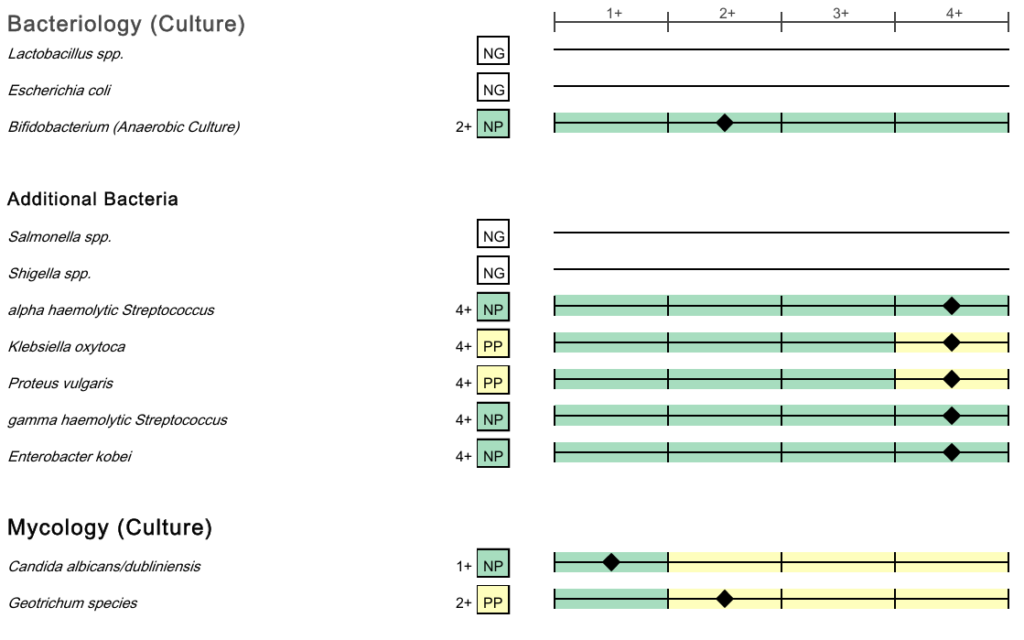
5. Digestion and Absorption
This is the part most people miss.
You can be eating all the “right” foods, but if your body is not breaking them down or absorbing them properly, it does not matter.
If there is gut dysfunction or inflammation, your body may not be getting the nutrients it needs to support hormone production.
Bringing It All Together
So yes—nutrition matters.
But it is not about memorizing a list of “testosterone foods.”
It is about asking:
- Does my body have the right building blocks?
- Am I actually absorbing what I am eating?
- Is something interfering with this process?
Because when your body has what it needs—and is functioning the way it should—testosterone production often improves as a result.
What Can Lower Testosterone? (And What Most Men Overlook)
When we talk about testosterone, most people focus on what supplement can I take to increase testosterone or what food can I eat to increase testosterone…
But just as important is asking:
What is getting in the way of your body producing and regulating testosterone?
Because in many cases, it’s not that your body can’t make testosterone.
It’s that something is interfering with the process.
Let’s talk about a few of the biggest factors I see in practice.
1. Blood Sugar and Excess Sugar Intake
This is one of the most important—and most overlooked—pieces.
When you consume high amounts of sugar or refined carbohydrates, your blood sugar rises quickly. In response, your body releases insulin to bring that blood sugar back down.
When this happens occasionally, your body can handle it.
But when it happens consistently over time, it can lead to:
- insulin resistance
- increased fat storage (especially around the abdomen)
- inflammation
- hormone imbalances
And this is where testosterone comes in.
Higher insulin levels and increased body fat can shift hormone balance in a way that favors estrogen production over testosterone.
There is an enzyme in the body called aromatase that converts testosterone into estrogen, and this process is more active in fat tissue.
So as body fat increases, especially with poor blood sugar control, more testosterone can be converted into estrogen.
This does not mean estrogen is bad. Men need estrogen too.
But when the balance shifts too far, it can contribute to:
- lower testosterone levels
- increased fatigue
- decreased muscle mass
- weight gain
- low libido
So when we talk about reducing sugar, it’s not just about weight.
It’s about how your body is processing and balancing hormones.
2. Lack of Movement or the Wrong Type of Exercise
Exercise is one of the most powerful tools for supporting testosterone—but not all exercise is equal.
Strength training and resistance-based workouts can help support testosterone production, improve insulin sensitivity, and support muscle mass.
But there is a balance.
Too little movement can contribute to:
- weight gain
- poor insulin sensitivity
- lower testosterone
At the same time, excessive high-intensity training without proper recovery can act as a stressor on the body.
When the body is under chronic stress, it can prioritize survival over optimization, shifting resources away from hormone production.
From a chiropractic perspective, your nervous system is constantly adapting to stress—whether that stress is physical, chemical, or emotional.
And when the body perceives ongoing stress, hormone balance can be affected.
So the goal is not just “work out more.”
It is:
- moving your body consistently
- incorporating strength training
- allowing for proper recovery
- supporting your nervous system
3. Alcohol and Liver Function
The liver plays a major role in hormone metabolism.
It helps process and clear hormones, including estrogen.
When alcohol intake is frequent or excessive, it can impact how efficiently the liver is able to do its job.
If the liver is under stress, hormone balance can shift.
This can contribute to:
- increased estrogen levels
- decreased testosterone availability
4. Chronic Inflammation and Food Reactions
This is one of the most overlooked factors in men’s health.
You can be eating foods that you consider healthy, but if your body is reacting to them, that creates stress.
Chronic food reactions can lead to:
- ongoing immune activation
- inflammation
- gut dysfunction
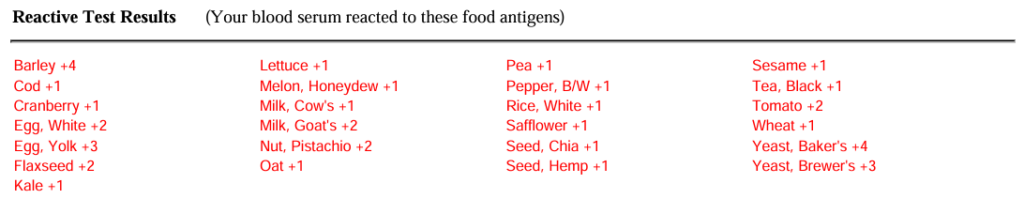
And when the body is dealing with constant internal stress, it does not prioritize optimal hormone production.
This is why we often see connections between:
- gut health
- immune function
- and hormone balance
So when we talk about what’s lowering testosterone, it is rarely about one single thing.
It is usually a combination of factors that are:
- increasing stress on the body
- disrupting hormone signaling
- or shifting the balance between testosterone and estrogen
This is why a one-size-fits-all approach does not work.
Because for one person, it might be blood sugar.
For another, it might be gut health.
For someone else, it might be chronic stress or poor recovery.
And this is exactly why we test.
Because once you understand what is happening in your body, you can start to address the root cause—not just chase the symptom.
Your Next Steps
If you are ready to take control of your health, here is what that looks like:
1. Start with a Complimentary Discovery Call
This is a chance for us to:
- talk through what you are experiencing
- understand your goals
- determine if our approach is the right fit for you
No pressure. Just clarity.
2. Schedule a Consultation
From there, we take a deeper look at your health history, symptoms, and overall picture.
This is where we start connecting the dots. Because your symptoms are not random.
3. Get Comprehensive Testing and Personal Care Plan
This is where we stop guessing.
Depending on your needs, this may include:
- blood work (including testosterone, hormones, thyroid, and more)
- food allergy and sensitivity testing
- gut health testing
This allows us to understand:
- how your hormones are being produced
- what may be interfering with them
- and what your body specifically needs
Once we have your test results, we’ll invite you back to go over them together and present your personalized care plan. During this visit, we’ll outline the next several weeks, which may include follow-up consultations, additional testing, chiropractic care, at-home modifications and any recommended supplementation.
At The Wellness Way – Lake Forest, we work with men who are ready to understand their health on a deeper level.
We do not just manage symptoms.
We look for answers.
Because your health is not random.
Disclaimer: This content is for educational purposes only. It’s not intended as a substitute for the advice provided by your Wellness Way clinic or personal physician, especially if currently taking prescription or over-the-counter medications. Pregnant women, in particular, should seek the advice of a physician before trying any herb or supplement listed on this website. Always speak with your individual clinic before adding any medication, herb, or nutritional supplement to your health protocol. Information and statements regarding dietary supplements have not been evaluated by the FDA and are not intended to diagnose, treat, cure, or prevent any disease.

