
It usually starts subtly.
A little trouble sleeping.
A shorter fuse than usual.
A mind that won’t quiet down at night.
Then one day you realize something has changed.
You feel anxious… all the time.
In my office, I hear it constantly:
“I don’t know what happened.”
“I just feel anxious all the time now.”
People say it’s like anxiety appeared overnight.
Like a switch flipped.
But anxiety almost never begins in a single moment.
What I see far more often is a body that has been quietly overwhelmed for months — sometimes years — before the symptoms finally get loud enough to notice.
As a chiropractor, I spend a lot of time thinking about the nervous system because it is the system that connects your brain to every organ, gland, and tissue in the body. When the nervous system becomes overloaded, it can start sending signals that show up as anxiety, fatigue, digestive issues, or sleep disruption.
Many patients searching for “why do I feel anxious for no reason” are surprised to learn that anxiety symptoms can sometimes be connected to physical stressors in the body, not just emotions or thoughts.
Why Does Anxiety Feel So Common Today?
If you’ve ever found yourself wondering:
“Why does it seem like everyone is anxious these days?“
You’re not imagining it.
Modern life places constant demands on the nervous system.
Think about a typical day for many people:
You wake up already tired.
You check your phone before getting out of bed.
Coffee replaces breakfast.
You sit most of the day staring at screens.
Meals are rushed or skipped.
Sleep happens later than it should.
Then somehow we expect our bodies to just relax at night.
But the nervous system doesn’t work that way.
Your body interprets many of these daily patterns as stress signals.
Not just emotional stress — but physical and chemical stress too.
Things like:
• irregular sleep schedules
• blood sugar swings
• chronic muscle tension
• inflammatory foods
• environmental exposures
• constant mental stimulation
To your nervous system, stress is stress.
Your body doesn’t separate mental stress from physical stress.
It all counts.
The Stress Bucket: Why Anxiety Can Seem to Appear Suddenly
One of the easiest ways to understand anxiety is something I call the stress bucket.
Imagine your body has a bucket that collects stress.
Every late night adds some water.
Blood sugar crashes add more.
Inflammatory foods add more.
Chronic muscle tension adds more.
Mental overload adds more.
For a while, you may handle it just fine.
But the bucket doesn’t empty just because you’re “pushing through.”
Eventually it fills.
And when it overflows, symptoms appear.
That overflow might look like:
• racing thoughts
• irritability
• poor sleep
• chest tightness
• digestive issues
• feeling constantly on edge
At that point, people often ask:
“How do I get rid of anxiety?”
But a more helpful question is:
What is filling my stress bucket?
Because once we understand that, we can start lowering the load on the nervous system.
What Is Anxiety (And How Is It Different From Stress)?
Stress and anxiety are related, but they are not the same thing.
Stress is the input.
Anxiety is often the output.
Stress is any demand placed on the body:
• emotional stress
• physical stress
• chemical stress
Anxiety is what it can feel like when the nervous system begins responding to those demands as if danger is nearby.
From a chiropractic perspective, this matters because the nervous system is the master regulator of the body.
At The Wellness Way we often explain stress through the 3T’s framework:
Thoughts
Emotional and mental stress
Traumas
Physical stress such as injuries, posture strain, lack of sleep, or chronic tension
Toxins
Chemical stress including food reactions, gut imbalances, infections, and environmental exposures
When enough of these stressors stack up, the nervous system can become more reactive.
What Is Fight-or-Flight?
Fight-or-flight is your body’s emergency response.
When your brain senses danger, the body shifts into survival mode.
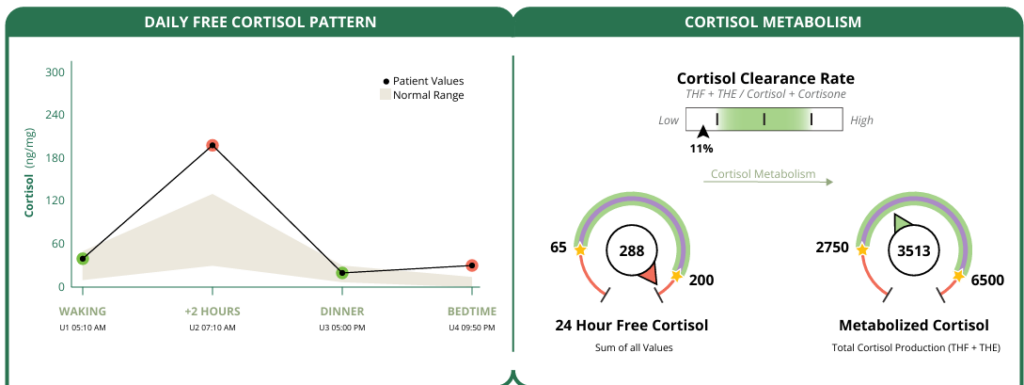
Stress hormones like cortisol and adrenaline rise.
Heart rate increases.
Breathing becomes faster.
Blood sugar rises to provide quick energy.
Digestion slows down temporarily.
In a true emergency, this response is lifesaving.
But the problem occurs when the body stays in this mode too often.
Instead of turning on during emergencies and shutting off afterward, the nervous system begins acting like danger is always nearby.
That’s when people start experiencing:
• racing thoughts at night
• feeling tired but wired
• digestive flare-ups when stressed
• chest tightness
• sensory overwhelm
Your body is trying to protect you.
It’s just doing it too frequently.
What Causes Anxiety If Nothing Is “Wrong”?
This is one of the most common questions people ask.
Many patients come to my office saying:
“My labs were normal, but I still feel anxious.”
Standard lab testing is often designed to detect disease.
But many symptoms show up long before something crosses a disease threshold.
Anxiety is not caused by a single lab value.
More often it reflects how multiple systems in the body are interacting.
Your hormones.
Your gut.
Your immune system.
Your metabolism.
Your nervous system.
The body works more like a Swiss watch, where every gear affects the others.
When several systems are under stress at the same time, the nervous system can become more reactive.
And that can show up as anxiety.
What this can look like in real life
A very common conversation in my office goes something like this:
A patient sits down and says:
“I don’t understand what’s happening. Nothing in my life is that stressful, but my anxiety feels worse than ever.”
When we start talking through their day, patterns often start to appear.
Maybe they’re skipping breakfast and running on coffee until noon.
Maybe sleep has been inconsistent for months.
Maybe their digestion has been off for a while.
Maybe they’ve been dealing with chronic neck tension from working at a computer all day.
Individually, none of these things seem like a huge deal.
But when they all stack together, the nervous system can start reacting like the body is under constant stress.
And that’s when anxiety can start showing up — even when nothing obvious in life feels “wrong.”
Physical Triggers That Can Mimic or Worsen Anxiety
One important thing many people don’t realize is that anxiety doesn’t always start in the mind.
Sometimes the body is driving the experience.
Here are some common physical triggers:
1. Blood Sugar Swings
When blood sugar drops, the body releases stress hormones like cortisol to bring it back up.
Those hormones can create symptoms that feel exactly like anxiety.
• shakiness
• heart racing
• irritability
• feeling panicky
• waking during the night
This is especially common in people who:
• skip meals
• rely heavily on caffeine
• eat high-sugar breakfasts
• practice intermittent fasting
I’ll be honest — I used to be a morning faster.
I would drink coffee and pride myself on not eating until lunch. I thought I was being healthy.
But when I eventually looked at my own hormone testing, I realized how much that habit was pushing my stress hormones higher.
That was a wake-up call for me.
Blood sugar stability is one of the most overlooked contributors to anxiety symptoms.
2. Sleep Disruption
Sleep isn’t just rest.
Sleep is when the nervous system recalibrates.
When sleep becomes irregular — whether from late nights, screens, or inconsistent schedules — the body’s stress regulation systems can become more reactive.
Many people notice their anxiety is worse when their sleep is disrupted.
That’s not random.
That’s physiology.
3. Chronic Tension, Pain, and Posture Stress
Physical stress also matters.
Have you ever sat at a computer for hours and stood up feeling stiff or tight?
That tension is your nervous system responding to mechanical stress.
Persistent neck tension, poor posture, spinal stress patterns, and chronic muscle tightness create constant signals into the nervous system.
Over time, that can contribute to the body staying in a more reactive state.
As a chiropractor, I see this connection every day. When the body is carrying chronic tension or spinal stress patterns, it creates constant input into the nervous system. Over time, that ongoing stress can contribute to the nervous system staying in a more reactive, “on alert” state.
This is one reason chiropractic care can play a role in supporting nervous system regulation.
4. Inflammation and Immune Activation
When most people hear the word inflammation, they think of swollen joints or sore muscles.
But inflammation also affects the brain.
Your immune system and nervous system are constantly communicating.
When the immune system becomes activated — from infections, gut imbalance, food reactions, or environmental exposures — it releases signals that influence the brain.
Sometimes the brain responds by becoming more sensitive to stress.
And that can feel like anxiety.
In Blog 2 of this series, we’ll go deeper into the connection between gut health and anxiety, and why the digestive system plays such a large role in nervous system regulation.
The Good News: The Nervous System Can Relearn Safety
If you take one thing away from this blog, let it be this:
Your anxiety is not proof that you’re broken.
Often it’s a signal that your system has been under more stress than it can comfortably adapt to.
The encouraging part is that the nervous system is incredibly adaptable.
When we start addressing the things filling the stress bucket — blood sugar instability, sleep disruption, inflammation, chronic tension, and gut health — the nervous system can begin calming down again.
Not overnight.
But gradually.
Support for Anxiety in Lake Forest
As a chiropractor at The Wellness Way – Lake Forest, many patients are surprised to learn how many physical factors can influence anxiety symptoms.
Instead of looking at anxiety as purely a mental health issue, we often evaluate how the nervous system, hormones, gut health, and lifestyle patterns may be contributing to the body feeling stuck in a stress response.
If anxiety has become a daily struggle, it may be helpful to look deeper at the factors affecting your nervous system.
We focus on identifying possible stressors affecting the body — including hormone patterns, inflammation, gut health, and nervous system stress.
If you’re curious if something physical may be contributing to your symptoms, you can schedule a discovery call to talk through your health history and possible next steps.
Disclaimer: This content is for educational purposes only. It’s not intended as a substitute for the advice provided by your Wellness Way clinic or personal physician, especially if currently taking prescription or over-the-counter medications. Pregnant women, in particular, should seek the advice of a physician before trying any herb or supplement listed on this website. Always speak with your individual clinic before adding any medication, herb, or nutritional supplement to your health protocol. Information and statements regarding dietary supplements have not been evaluated by the FDA and are not intended to diagnose, treat, cure, or prevent any disease.

